



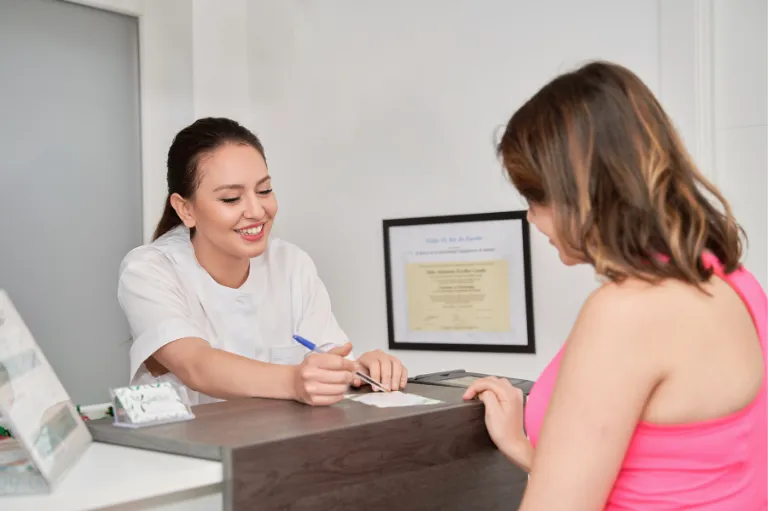
Before anyone sees the doctor, they talk to the person at the front desk. They ring to book an appointment. They come in to ask for a script. They sit in the waiting room for 40 minutes when the GP is running late.
For many people with a mental health concern, that first conversation is with the receptionist, not the GP.
The RACGP’s Health of the Nation 2025 report found that 71% of GPs named psychological issues among the top three reasons patients come to see them. That figure has risen 10% since the survey began in 2017.
The ABS National Study of Mental Health and Wellbeing (2020–22) found that among Australians who saw a health professional for their mental health in the past year, GPs were the most common choice. So general practice is where a lot of people first ask for help, and the front desk is the way in.
Receptionists often notice things before anyone else does. For example:
None of these are proof that someone is thinking about suicide. But each one is a moment where a calm, kind response can make a difference.
Receptionists are not counsellors, and nobody expects them to be. Accidental Counsellor training doesn’t turn admin staff into clinicians. It gives them the skills for the conversations that come to them anyway.
Without training, front-desk staff often feel stuck between wanting to help and worrying they’ll say the wrong thing. Some freeze. Some brush it off. Some take the stress home with them.
CALM’s Accidental Counsellor program helps front-desk staff:
Staff also learn what to do if someone says they’re thinking about suicide. That means staying calm, not leaving the person alone, and getting clinical support right away under the practice’s procedures.
“The receptionist is often the first person a patient tells that something’s wrong, sometimes before they’ve told the GP. We want those staff to feel confident, not frightened, in that moment."
Audrey, CALM Suicide Programs
Training works best when the whole practice shares the same language. Practices often pair Accidental Counsellor training for reception and admin staff with CALM training for nurses and GPs.
It also helps to agree as a team on:
No. It’s designed for people whose job isn’t counselling but who regularly meet people in distress.
Contact us for current formats. Workshops can be run for a whole practice team.
Yes. Managers often find it useful for supporting staff as well as patients. [Link: What Is Accidental Counsellor Training, and Who Actually Needs It?]
No. The training gives receptionists simple skills to notice distress, respond calmly, and escalate concerns to a GP or nurse when needed.
Take it seriously, stay calm, and follow the practice’s escalation procedure. Involve a GP, nurse, or crisis support straight away; call 000 if there is immediate danger.
To bring Accidental Counsellor training to your practice, contact admin@suicideprograms.com.au.
If this article has raised concerns for you or someone you know, support is available 24/7. Lifeline 13 11 14 · Suicide Call Back Service 1300 659 467 · 13YARN 13 92 76 · QLife 1800 184 527 · In an emergency, call 000.
Sources
© Accent HR Pty Ltd 2025